What is Uterine Prolapse?
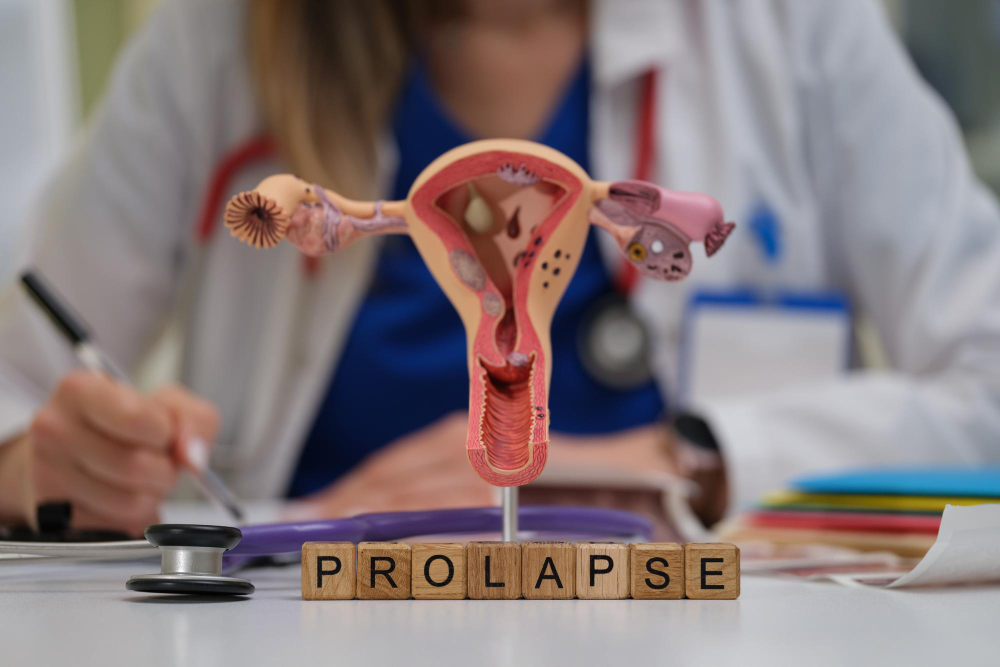
Uterine prolapse happens when the uterus drops down into the vagina. This occurs because the pelvic floor muscles and tissues become weak or stretched. As a result, they can no longer support the uterus as they should. Uterine prolapse is a common women’s health issue, especially for those who have given birth or are older. Although it can be uncomfortable, it is treatable. Understanding this condition helps women take better care of their health.
Causes of Uterine Prolapse
Several factors can lead to uterine prolapse. Often, these causes are linked to changes in the pelvic floor. For example, childbirth is a major risk factor. However, other reasons also play a role:
Because these factors weaken the pelvic floor, the uterus may slip down. In many cases, more than one cause is involved.
Common Symptoms
Uterine prolapse symptoms can vary. Sometimes, women notice only mild discomfort. Other times, symptoms are more obvious. For instance, you may feel:
However, some women have no symptoms at all. If you notice any of these signs, it is important to talk to your doctor.
How Uterine Prolapse is Diagnosed
Doctors diagnose uterine prolapse with a simple pelvic exam. During the exam, your doctor will check for any bulging or movement of the uterus. Sometimes, they may ask you to bear down as if having a bowel movement. This helps show how far the uterus has dropped. In some cases, your doctor may suggest more tests, such as:
Early diagnosis can help you get the right treatment for uterine prolapse.
Treatment Options
Treatment for uterine prolapse depends on how severe your symptoms are. For mild cases, simple steps may help. For example, pelvic floor exercises (also called Kegel exercises) can strengthen muscles. Other options include:
However, if symptoms are severe or do not improve, surgery may be needed. Surgical options include repairing the pelvic floor or removing the uterus (hysterectomy). Your doctor will help you choose the best treatment for your needs.
Prevention and Lifestyle Tips
While not all cases can be prevented, some steps lower your risk. For instance, you can:
Because prevention is easier than treatment, these habits are important for women’s health.
When to See a Doctor
If you notice symptoms of uterine prolapse, do not wait. Early care can prevent the problem from getting worse. For example, see a doctor if you feel pelvic pressure, see tissue bulging, or have trouble with urination. Even if symptoms are mild, a check-up is wise. Your doctor can suggest the best steps for your health.
In summary, uterine prolapse is a common condition that affects many women. However, with the right care and support, you can manage it well. Consult a gynecologist for personalized advice and support regarding uterine prolapse.